Distinctive Features Of The Book
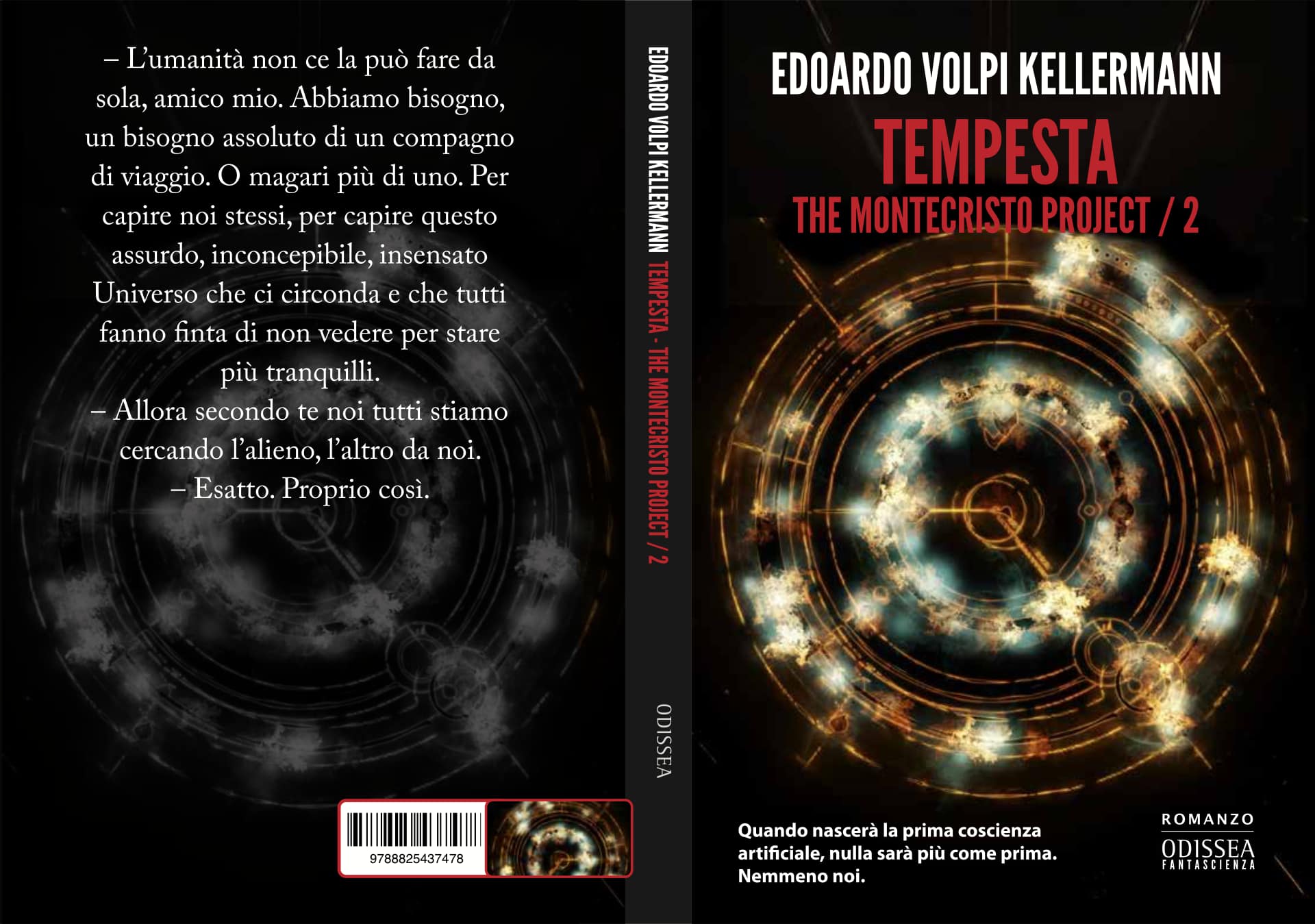
In Storm, the technological science fiction of the first volume opens onto a broader dimension, where science does not diminish mystery, but deepens it. Storm shifts the question posed by the first book: no longer only “can an artificial consciousness be born?”, but “how many different forms can consciousness take?”. It is a question that cannot help sending a slight shiver through us: even though we are still clearly very far from any true form of artificial consciousness, are today’s artificial intelligences — when used well — not already raising a similar question about our own problem-solving abilities?
The Entity is no longer simply a narrative promise: it becomes a subject in formation, a presence that changes the weight and evolution of events; though perhaps it had always been so, even before the author himself realized it. Storm is, in truth, about the human need to encounter otherness: not necessarily an alien from the stars, but an intelligence capable of showing us the universe from another perspective. And yet that perspective continues to terrify us.
The choral nature of the plot also evolves, turning the story itself into a dynamic system, where every character is a trajectory and every choice produces consequences that are often unpredictable. The protagonists change: no one remains exactly in the role in which they had been placed. Alliances crack, identities accumulate layers, and the boundaries between friends, antagonists, and instruments become increasingly unstable.
Bea becomes a symbol of rebirth, of the search for contact, of nonverbal communication, representing a different path toward knowledge, free from any desire for control or domination. It is a knowledge nourished by relationship, listening, and resonance. The Free Island of Torvalds and the open-source communities become decisive, though unexpected, tools for confronting sabotage and interpreting complexity, within a new philosophy of collective intelligence.
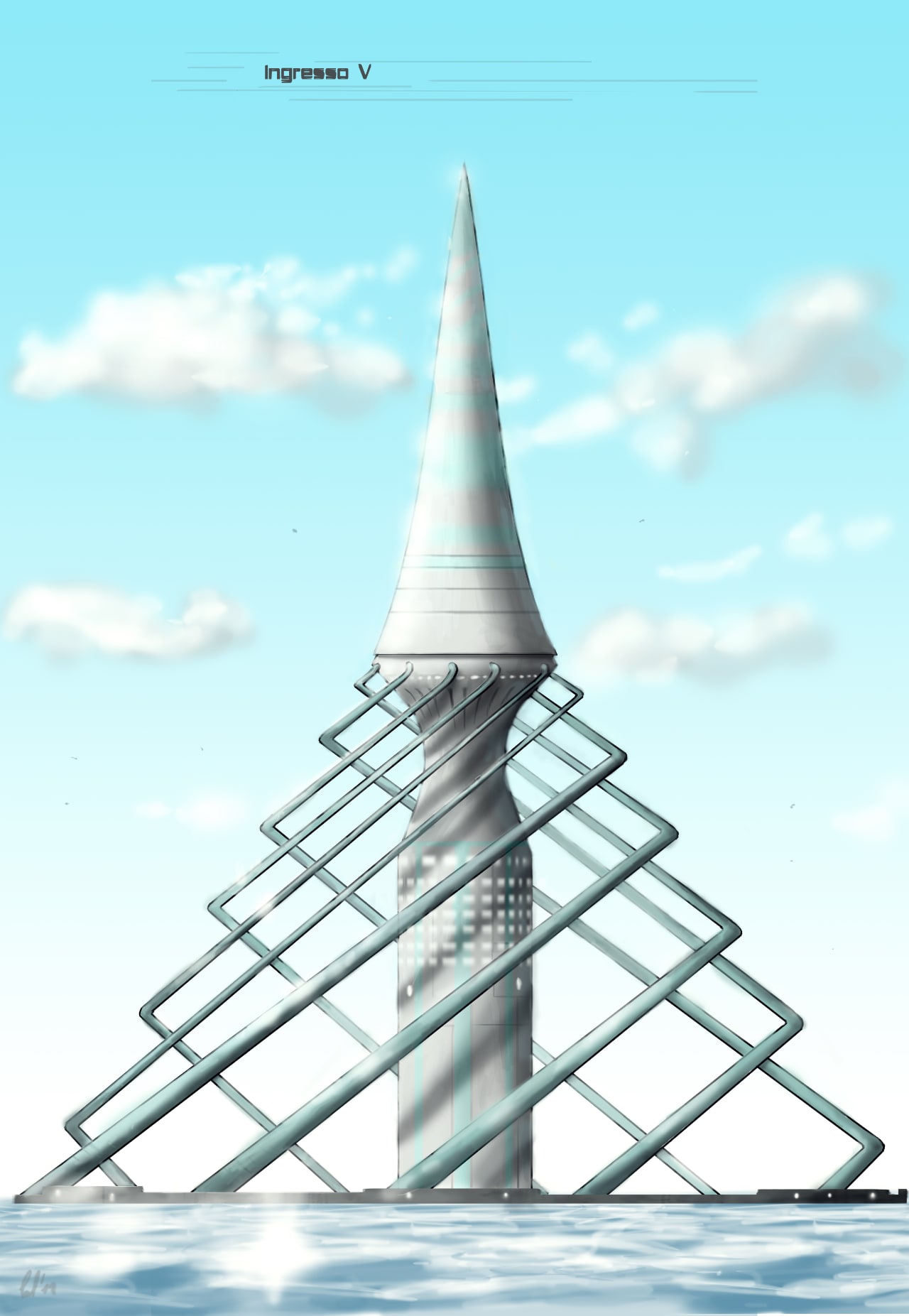
Like the first volume, Storm is also an enhanced book; glyphs, QR codes, and the internal Wikipedia open breaches, passages into new layers of the narrative world, growing together with the plot.
The second book in The Montecristo Project trilogy thus succeeds in releasing the potential energy accumulated in the first. The secondary world has gained full three-dimensionality, the characters are in motion, and the stakes are rising. The story, however, deliberately leaves cliffhangers and open questions that — at least in part — will be resolved in the concluding volume. Storm does not bring everything to an end, but carries every strand of the plot beyond its point of equilibrium, in an orchestral crescendo that promises a powerful finale.