A few words about the author
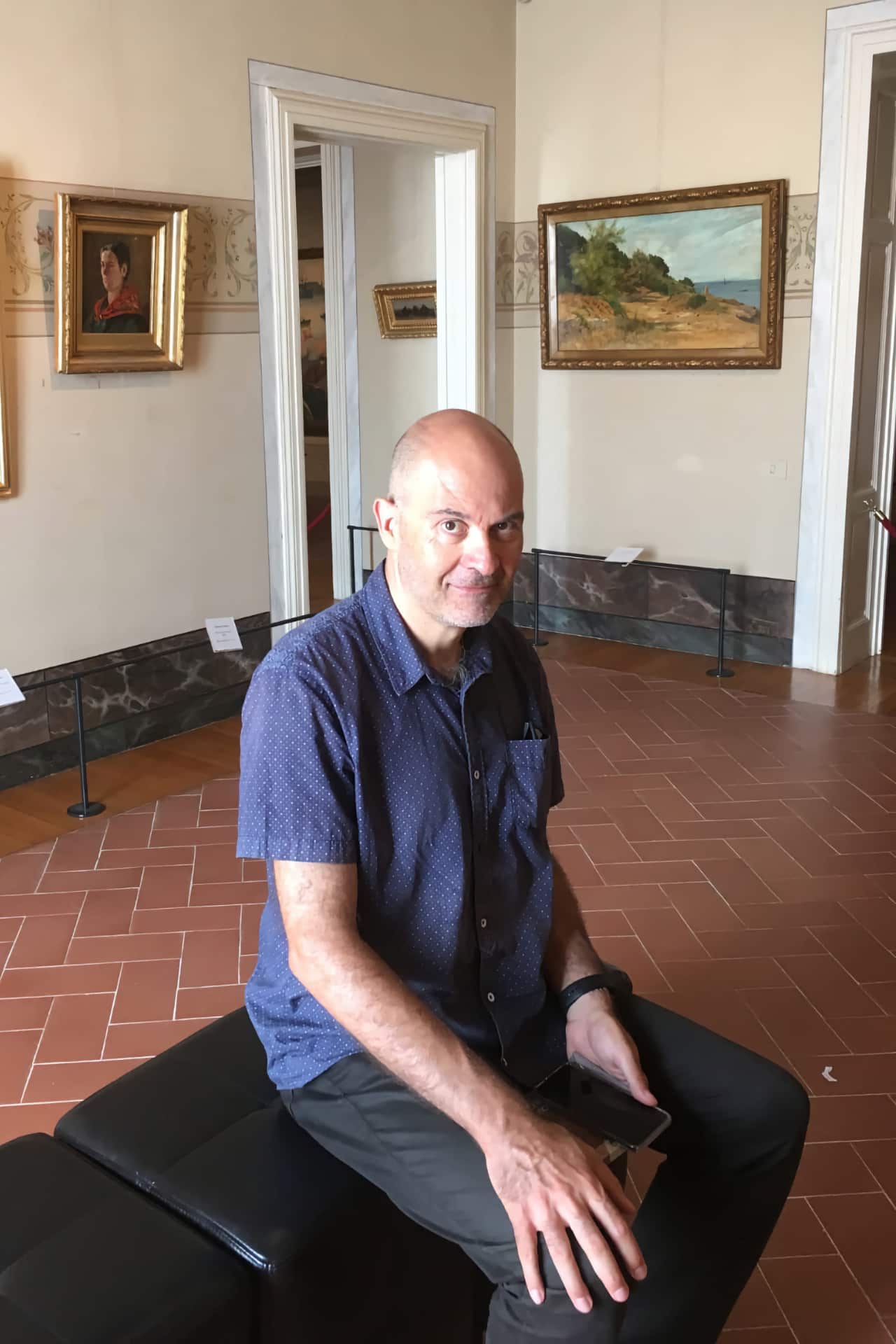
Born in the year of the Dragon, Edoardo Volpi Kellermann (Edoardo Volpi, son of Cecilia Kellermann), author of the novel The Montecristo Project, is a guy full of projects that every now and then he manages to bring to fruition.
The past
Musician, composer, teacher, scientific communicator, he has worked for fifteen years in the field of Information Technology both on the multimedia, communicative and technical front (he was responsible, among other things, for the CRM of Disney Italia, Borsa Italiana, Ferrari Store, Eurisko Audinet Synoptic).
In 1993 he wrote the short story from which the novel The Montecristo Project developed
The present
Since 2010 he has been working on the writing of the novel The Montecristo Project and on the development of the concept of the augmented book. Since 2014 he has taught music at lower secondary school, the MIUR (Italian Ministry of Education and Merit) having remembered that he had won a competition just 23 years earlier.
The future
Since 2022 he has collaborated with the international digital magazine Innovando News. He is currently dedicated to designing new approaches to reading and writing and continues to develop his musical project inspired by the writer J.R.R. Tolkien.
And, of course, he continues to prepare and refine the story and multimedia materials related to his meta-literary project The Montecristo Project.
A few words about the project (from the author)
I admit it, I’m a weirdo.
I have been working on the same story for 31 years: The Montecristo Project.
The inspiration of The Montecristo Project
My son Gabriele was born in 1993; now he is a theoretical physicist, former Ghislieri Merit Board of Pavia and deals, coincidentally, with Artificial Intelligence. A fine head, Andrea Camilleri would have said. Maybe I foresaw it when I suddenly wrote that story from which everything was born. Which however doesn’t talk about my son, at least not directly.
Gabriele is also the scientific consultant of the novel, at least for the scientifically correct parts. As for the rest, I accept all responsibility for any possible blunders, errors and exaggerations. On the other hand, The Montecristo Project is science fiction.
Science fiction with action and twists, but also full of philosophical and scientific ideas.
The story is partly inspired by the Orch-Or (ORCHestrated Objective Reduction) theory of Sir Roger Penrose, mathematician, physicist and cosmologist who collaborated for a long time with Stephen Hawking and won the Nobel Prize for Physics in 2020. I also had the lucky to know an eminent experimental physicist, who really liked the first book of the trilogy, who collaborates with Roger Penrose for the experimental verification of his theory: Cătălina Curceanu.
The contents of The Montecristo Project
The story of The Montecristo Project is divided into three books: The First Colony – Storm – Awakening and narrates the birth of the first artificial consciousness, certainly among the hottest – and misunderstood – themes of recent times, with a plot development and an ending which even then seemed new to me, compared to what I had read or seen. In the following years I looked for similar plots but, until now, I haven’t found any.
On the advice of expert friends, I proceeded to register the idea on the copyright.gov website, the official register of the United States government: apparently the Hollywood gentlemen check there before trying to steal the idea from you. Yes, the idea is quite strong and novel, and it also leaves a very open ending. And it’s perfect for a TV series.
I’m sorry, but you’ll have to get to the end of the third book to meet her.
An important Italian actor and director, Maurizio Nichetti, read my story a few years later and wanted to make a film out of it: the money couldn’t be found, but it was a great confirmation for me. And that’s one of the reasons I’ve been working on it for so long.

The shape of The Montecristo Project
Another reason is that I wanted to create an augmented book, which combined the simplicity of linear reading, both in the electronic and paper versions, with the multi-layered advantages of digital. In short, a meeting between two worlds.
I have always loved digital technology, even as a child I dreamed of having a computer at my disposal. The dream came true in 1983, when my father bought an Apple ][ e for his home office, a truly exceptional machine for those times, on which I began to learn how the software works, the Applesoft Basic language and the magical Assembler for graphic routines (which were laughable, compared to what you can do with a smartwatch today).
I was immediately fascinated by the possibility of automating repetitive processes (Visicalc, the first electronic sheet), of being able to write without the nightmare of making a mistake – you could print it at the end, after having double-checked – but above all I experienced the fascination of being able explore a “virtual world” with its own rules (Disney’s revolutionary film Tron had been released the year before).
An incorrect dichotomy
I have never seen information technology as a replacement for man or physical reality: rather as a perfect integration, a reinforcement, an expansion of human capabilities. This is why I have always found the “paper books vs. electronic books” argument ridiculous, just as I found the “classical musical instruments vs. synthesizers” argument equally ridiculous; dichotomy is not the path we must take.
In 2010, following an email of interest from 20th Fox Italia, I began to develop the original story into the novel The Montecristo Project, of which the first book, The First Colony, was released in 2022 (the second book, Tempesta, is expected publication after summer 2024, followed a few months later by the last of the trilogy, Awakening).
In the meantime I have conceived an innovative system to apply the concept of multimedia hyper-text without boring or disturbing the reader. It wasn’t easy, but several industry experts gave me a hand, first of all the excellent Italian writer and guru of electronic literature Fabrizio Venerandi.

Writers are made, not born.
Finally, I am a perfectionist, a stickler. And I accept criticism, when it is justified.
The first draft of The Montecristo Project was very different from what you can read now.
Every successful novel is a choral work, you meet souls and people, you learn humility and you write, write and rewrite until the style and plot are perfected. At the beginning, who knows why, we were all convinced that we had created the untouchable masterpiece, that not even a letter should be moved. And we all butt heads; but it is precisely at that moment that one decides whether to become writers or remain deluded.
It would be a bit like expecting to arrive in front of a large orchestra and conduct it without ever having learned the notes or conducting techniques: it may go well in dreams, but in reality behind every concert there are years of hard work.
Writing is absolutely no exception to this general rule, whether it is for a novel or a newspaper article, nothing changes. Practice, self-criticism, fine-tuning, verification, new practice. And so on, until “the fingers go by themselves” as my late piano teacher Antonio Bacchelli said.
Then the characters come to life, the situations develop naturally, the scenes come out of the pen (or the keyboard) as if by “magic”. Craftsmanship that leads to art – if and when you can.
And maybe, after 10 years of work you discover that you have left a “plot hole” the size of a house, only to then find the perfect idea to resolve it and then realize that this idea projects the story into a saga of many novels come, The Rebirth Chronicles.
This is, in a nutshell, The Montecristo Project. And if you want to learn more… come in!
Edoardo Volpi Kellermann
Some Tastes from "The First Colony" (Italian)




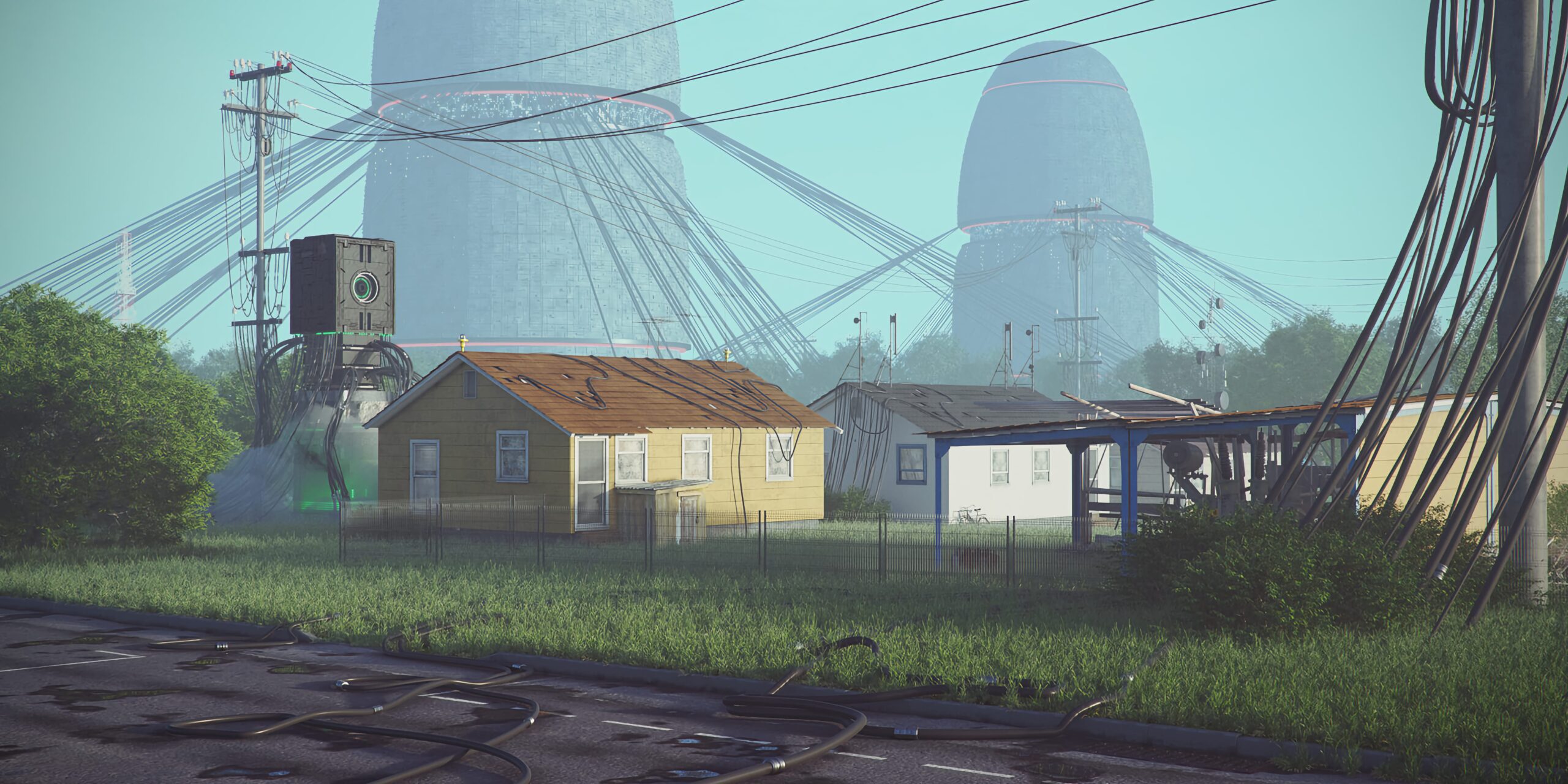

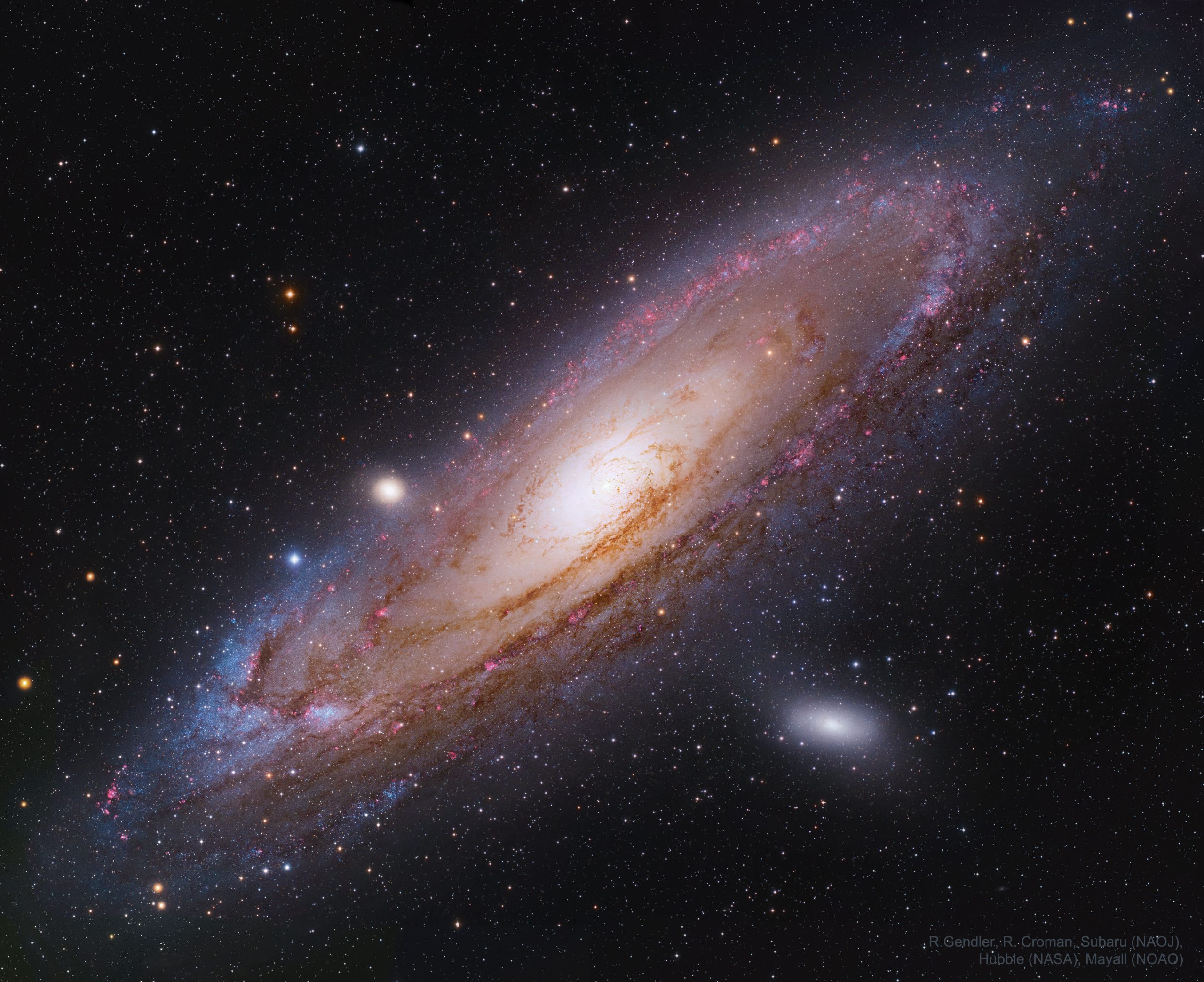
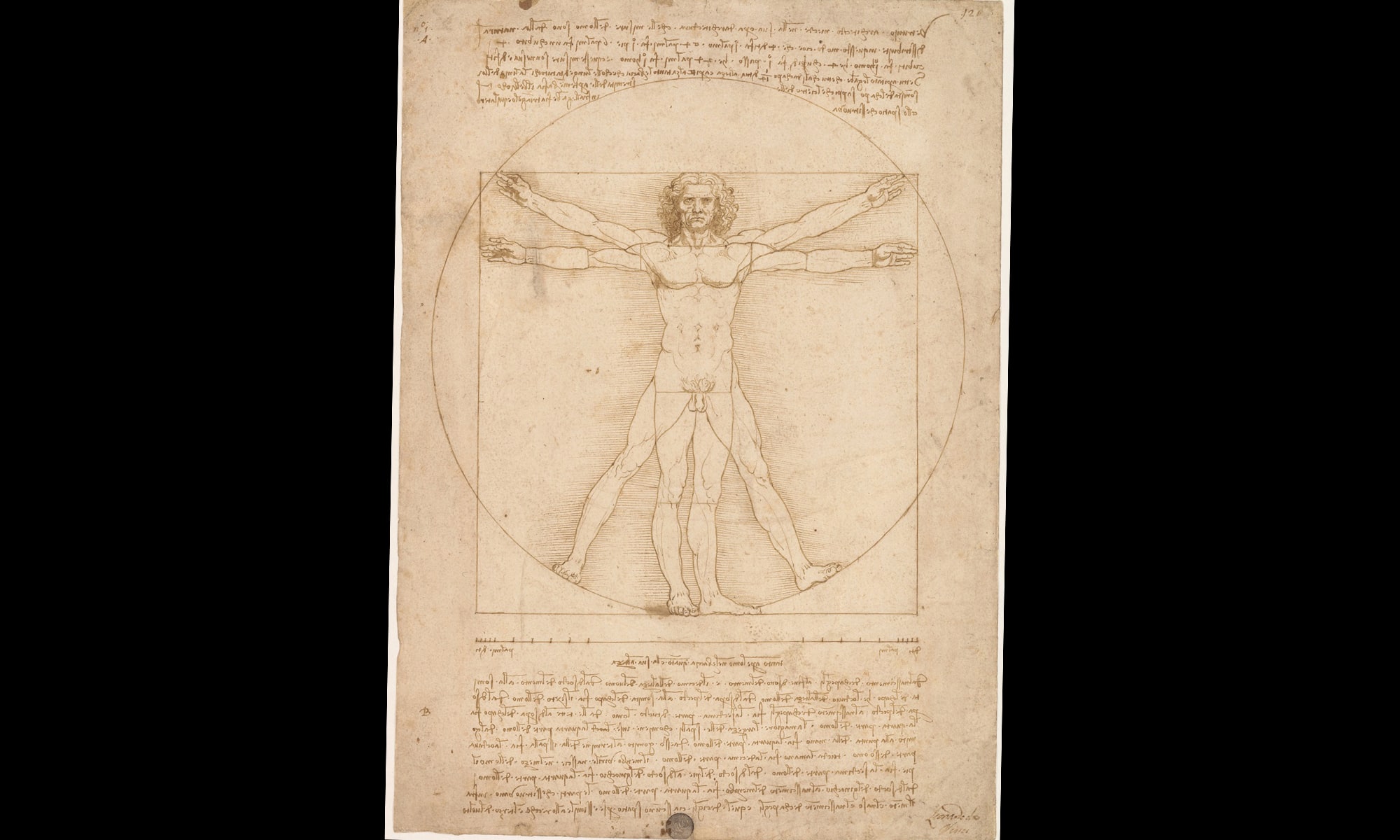



“Una faglia dormiente nella crosta continentale subì una pressione repentina e si agitò, come un’enorme bestia che si risveglia dopo un lungo sonno e scuote le spalle […]
Si fermò, stupefatto per l’assenza assoluta di fatica, accanto a un torrentello che scorreva lambendo un grande masso, caduto dall’altura soprastante chissà quanto tempo prima […]
(…) Il Muto aveva quel modo di guardarti fisso, intenso, che sembra scavarti nell’anima ma con gentilezza, come il bisturi del chirurgo che vuole salvarti la vita […]
(…) Gli prendeva un certo imbarazzo, a Matteo, rendendosi conto che col Muto riusciva a sfogarsi, a tirar fuori le sue magagne personali (…)
I minuscoli movimenti, tanto rapidi quanto impercettibili, trasmettevano le informazioni all’interno della colonia dei costruttori […]
Il chiasso improvviso la mise in allarme. Un branco di pischelli attraversò il vagone ridendo e vociando, accompagnati da un sottofondo musicale crack-metal ad alto volume. […]
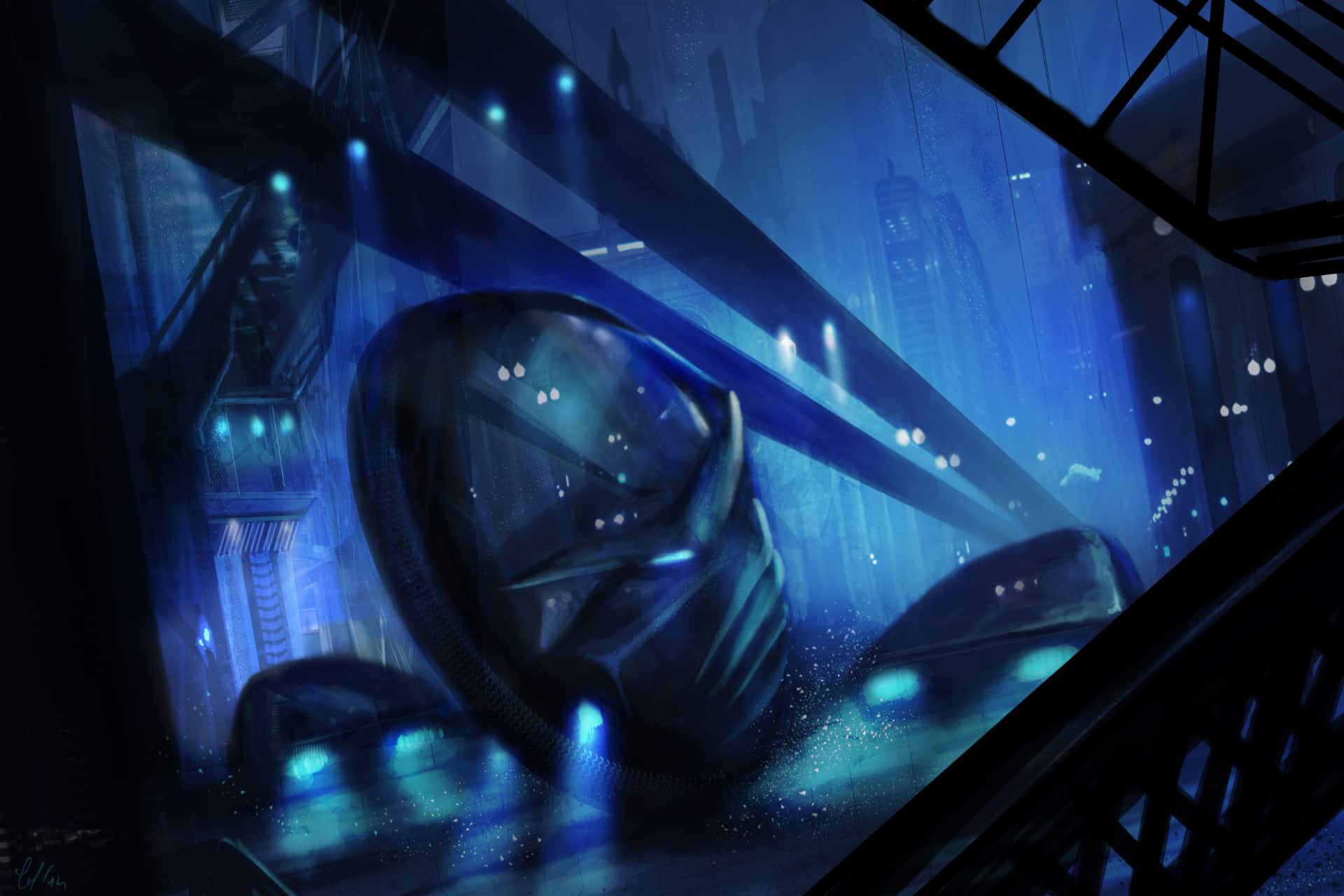
Improvvisamente un’altra monoruota si affiancò alla loro. – E questo chi è? Il pilota, il cui volto era nascosto da un casco integrale […]
Quando l’Ente iniziò a computare, in alcune sue particolari funzioni, la strategia migliore per raggiungere lo scopo prefissato, ne risultò che avrebbe dovuto muoversi con estrema circospezione. […]
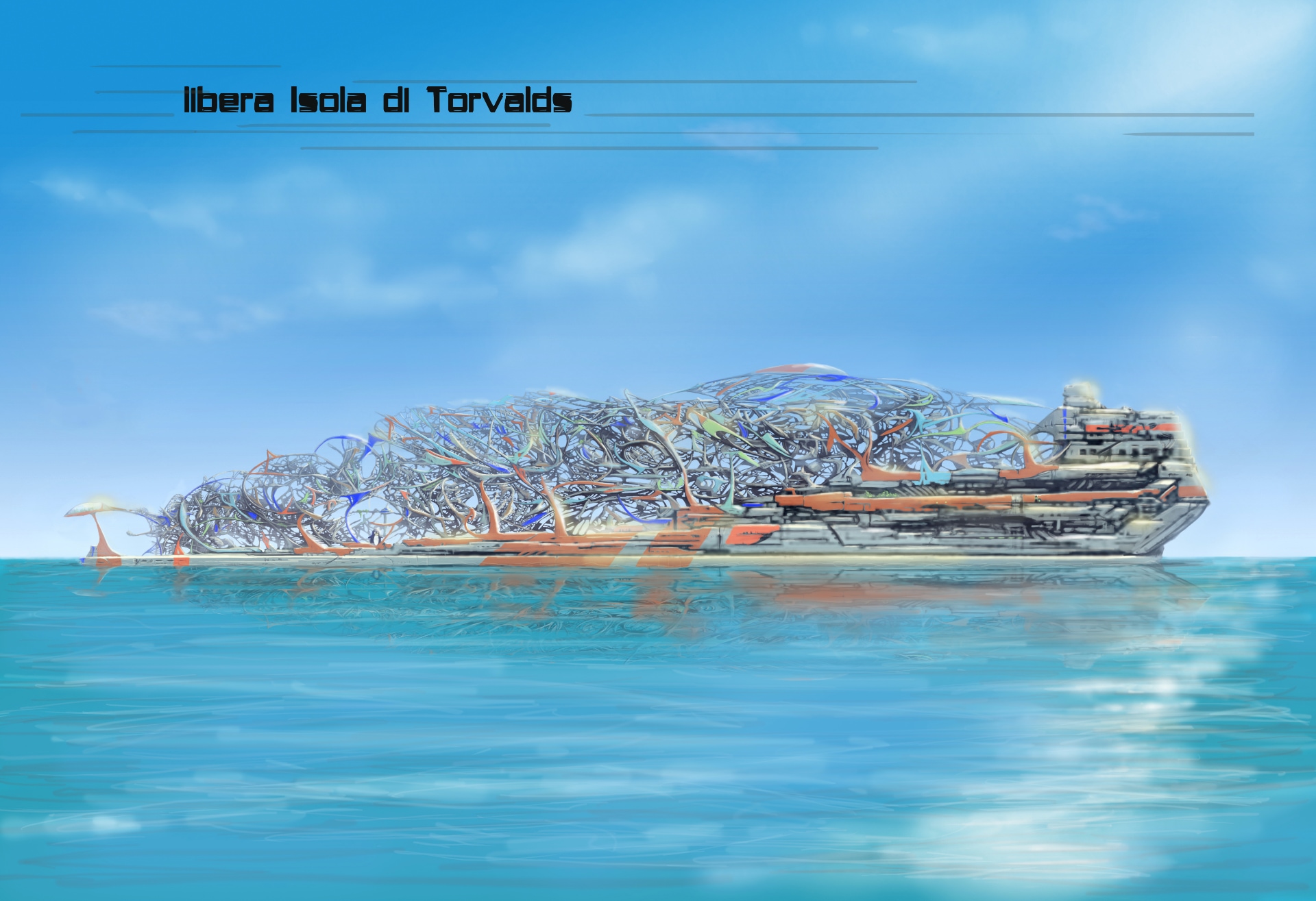
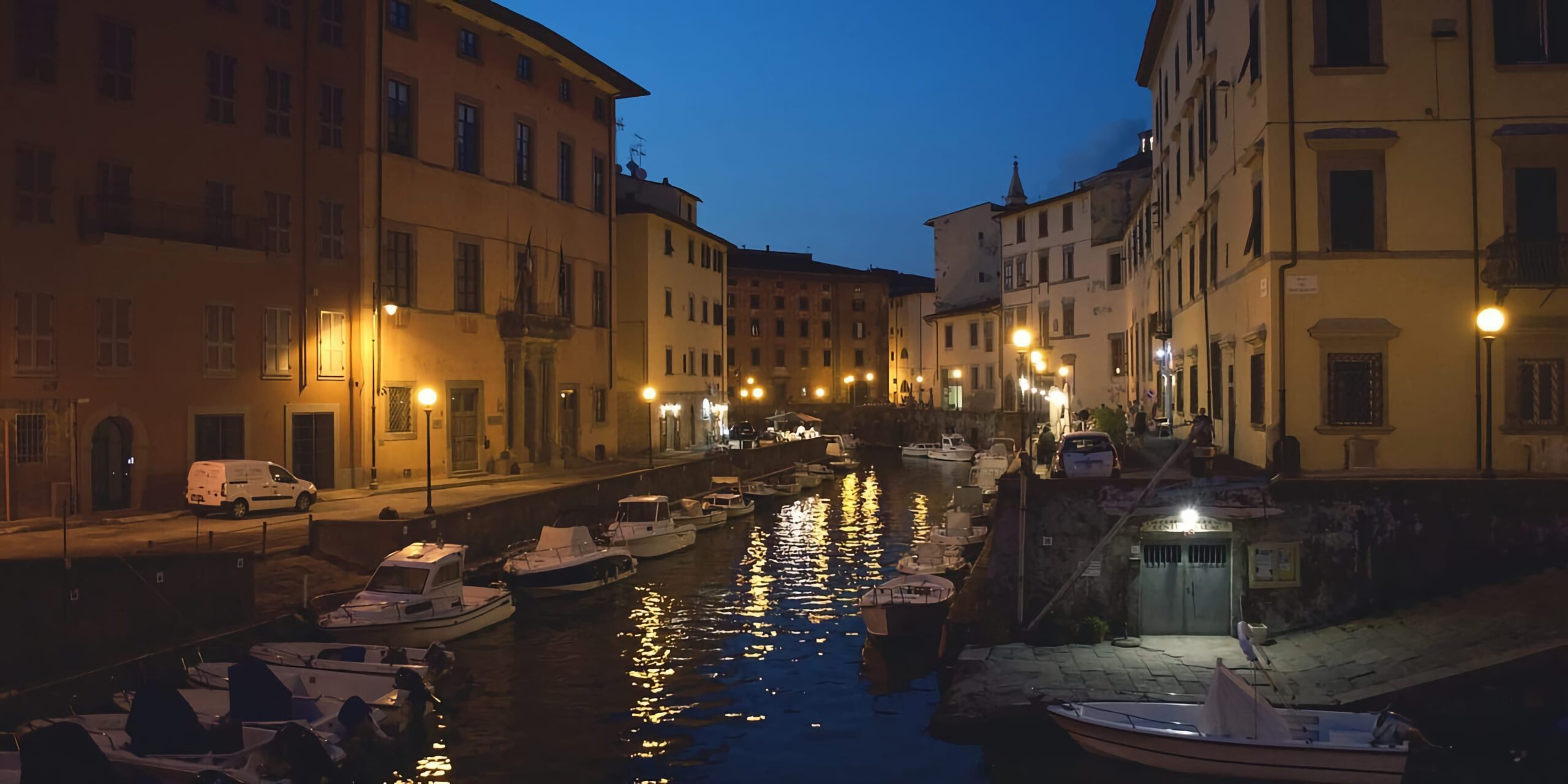
(…) L’isola pareva allo stesso tempo elegante e non finita, come una scultura ancora in fase di creazione nello studio di un artista. […]
Era stata una buona giornata. Il branco stava tornando dal lungo giro nei territori di caccia, a nord-ovest dell’Isola di Capraia per poi puntare verso la Gorgona. […]
Protocollo di sicurezza per i Circuiti Nanoquasici – Versione 1.22 – A cura del Coordinamento Generale per le Ricerche di Frontiera – Oslo, 14 dicembre 2075 […]
(…) La terrazza era stata ottenuta tagliando via una grande parte del tetto dall’edificio principale ed era disposta su più livelli, in modo da permettere una visione a trecentosessanta gradi della volta celeste. […]
(…) Avrebbe potuto usare la sintesi vocale, il Muto, ma preferiva quello strano insieme di gesti, segni ideografici e disegni proiettati sulla retina dell’interlocutore […]
La stanza era apparentemente vuota. La luce e la disposizione geometrica delle pareti giocavano strani scherzi e parevano mutare angolazione e forma a seconda del punto di osservazione. […]
Il Massimo Comandante del Guojia Anquan Bu sorrise ironico, osservando allo specchio le numerose medaglie appuntate sulla sua giacca. Piccolo di statura e dai tratti squisitamente orientali, appariva molto anziano. […]
(…) Tacquero per diversi minuti, complice l’arrivo del tè. Fu servito da una coppia di anziani cinesi, con il cerimoniale GongFu Cha, come da disposizione del procuratore. […]
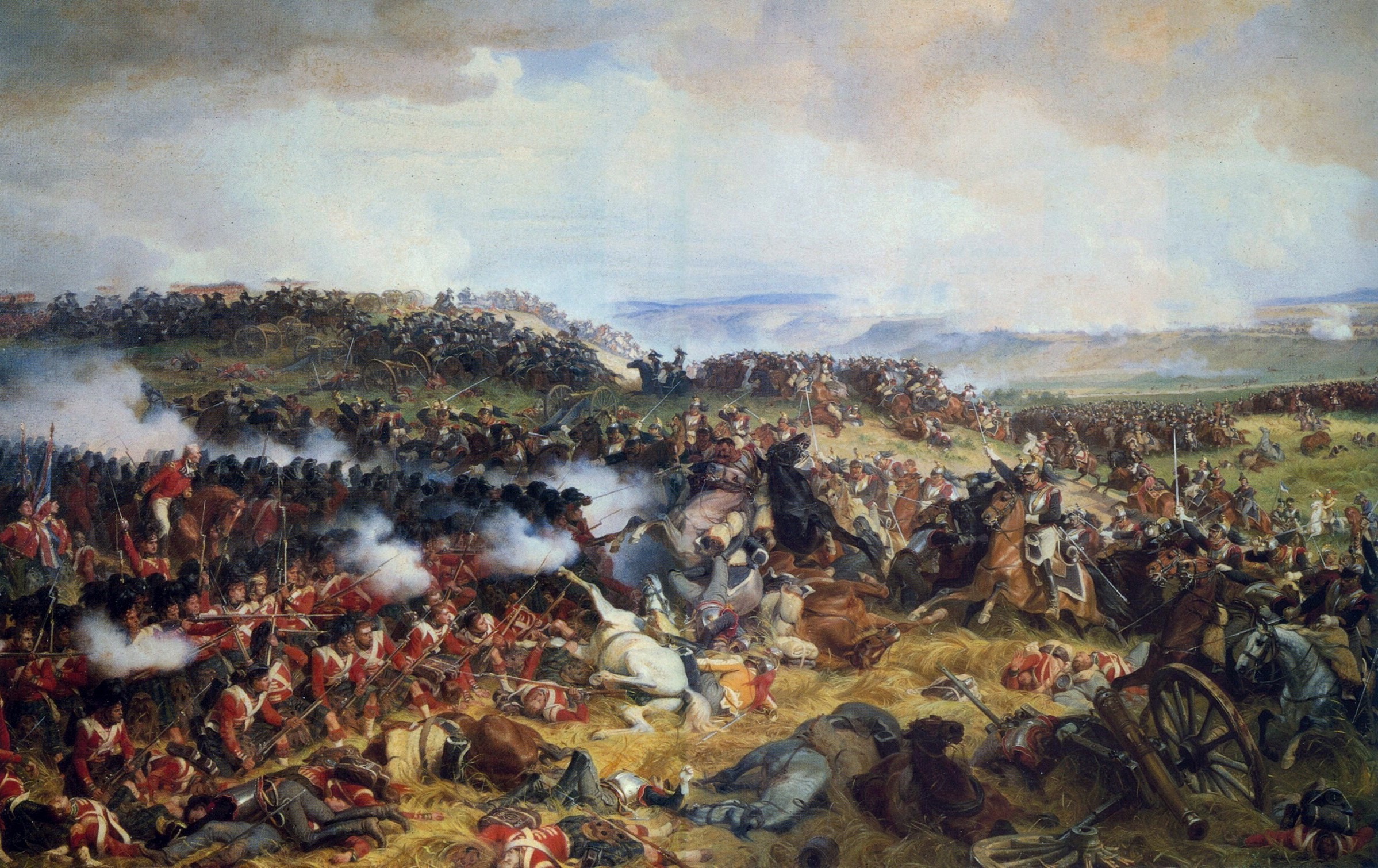
(…) Napoleone Bonaparte sedeva nella sua tenda da campo, cupo, in attesa del ritorno dei soldati inviati in perlustrazione. Non era riuscito a chiudere occhio, anche per il dolore sordo allo stomaco, tanto accentuatosi negli ultimi giorni. […]
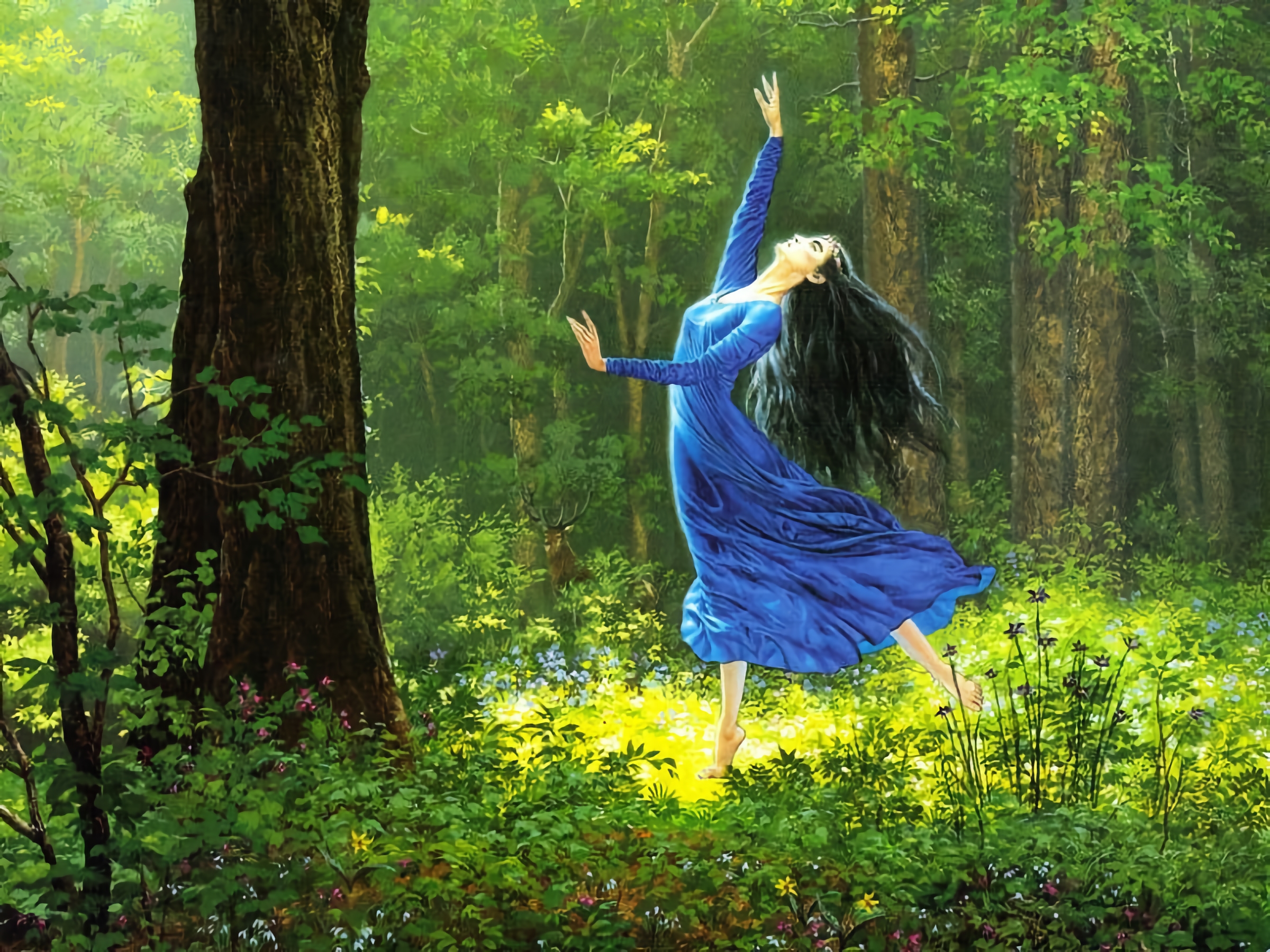
(…) La ragazza danzava nel bosco, entrando e uscendo dai giochi di luci e ombre che il sole, alto nel cielo, creava fra i rami primaverili. Il cavaliere, nascosto dietro un grande cespuglio di mirto, la fissava tremando per la tensione. […]
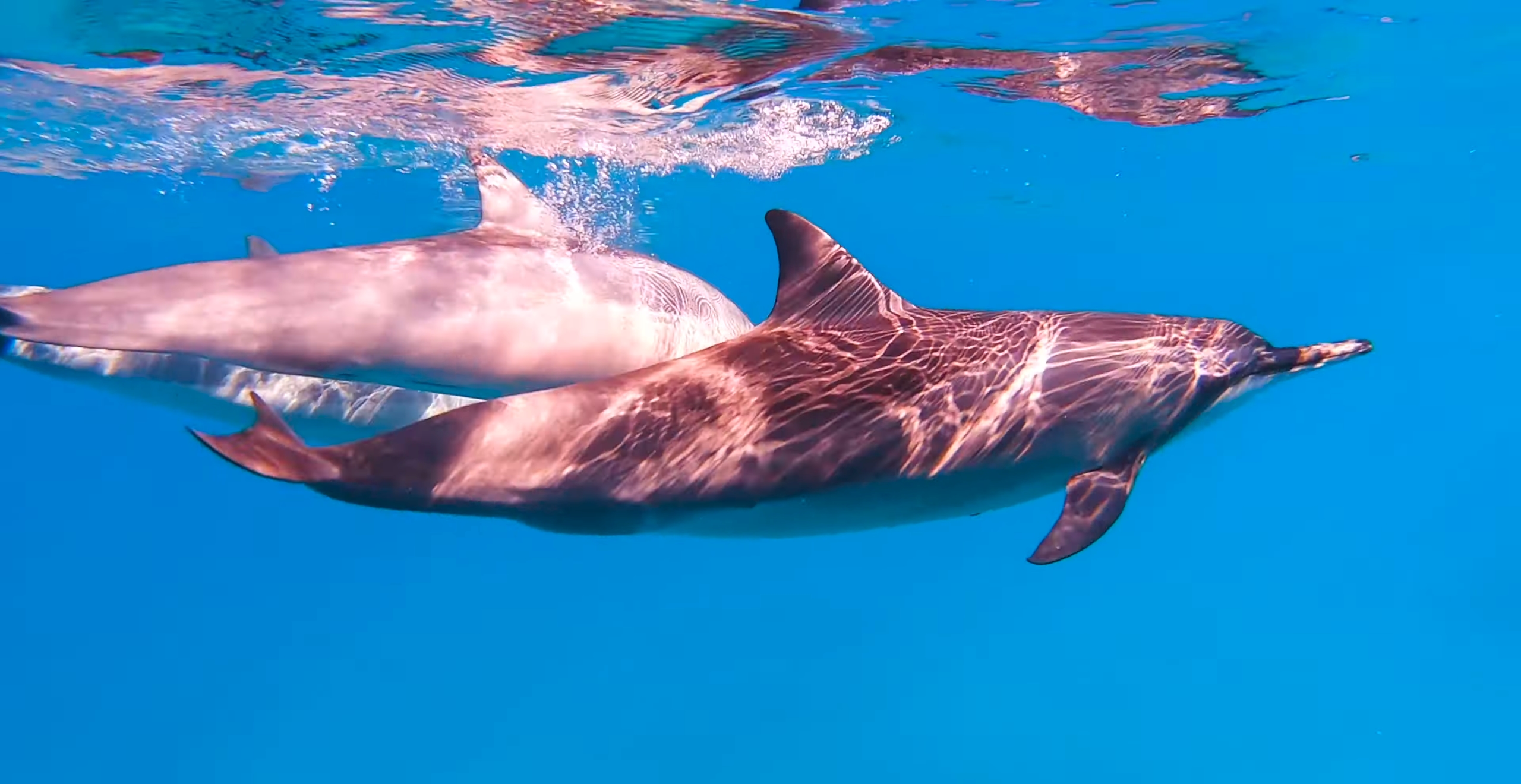
(…) Mare.Tuffarsi nell’acqua tersa come cristallo, nuotare velocissimi qualche metro sotto, dove i raggi di luce sembrano danzare nello spazio di una cattedrale senza fine e senza fondo. […]
La villa, isolata al centro di un ampio podere, in parte coltivato a lino e cicoria e in parte coperto da un bosco di querce e olmi secolari, fondeva l’architettura rurale tradizionale con le ultime soluzioni tecnologiche per l’efficienza energetica e la difesa dai tornado, che negli ultimi decenni avevano spazzato l’Europa centrale con sempre maggiore frequenza.
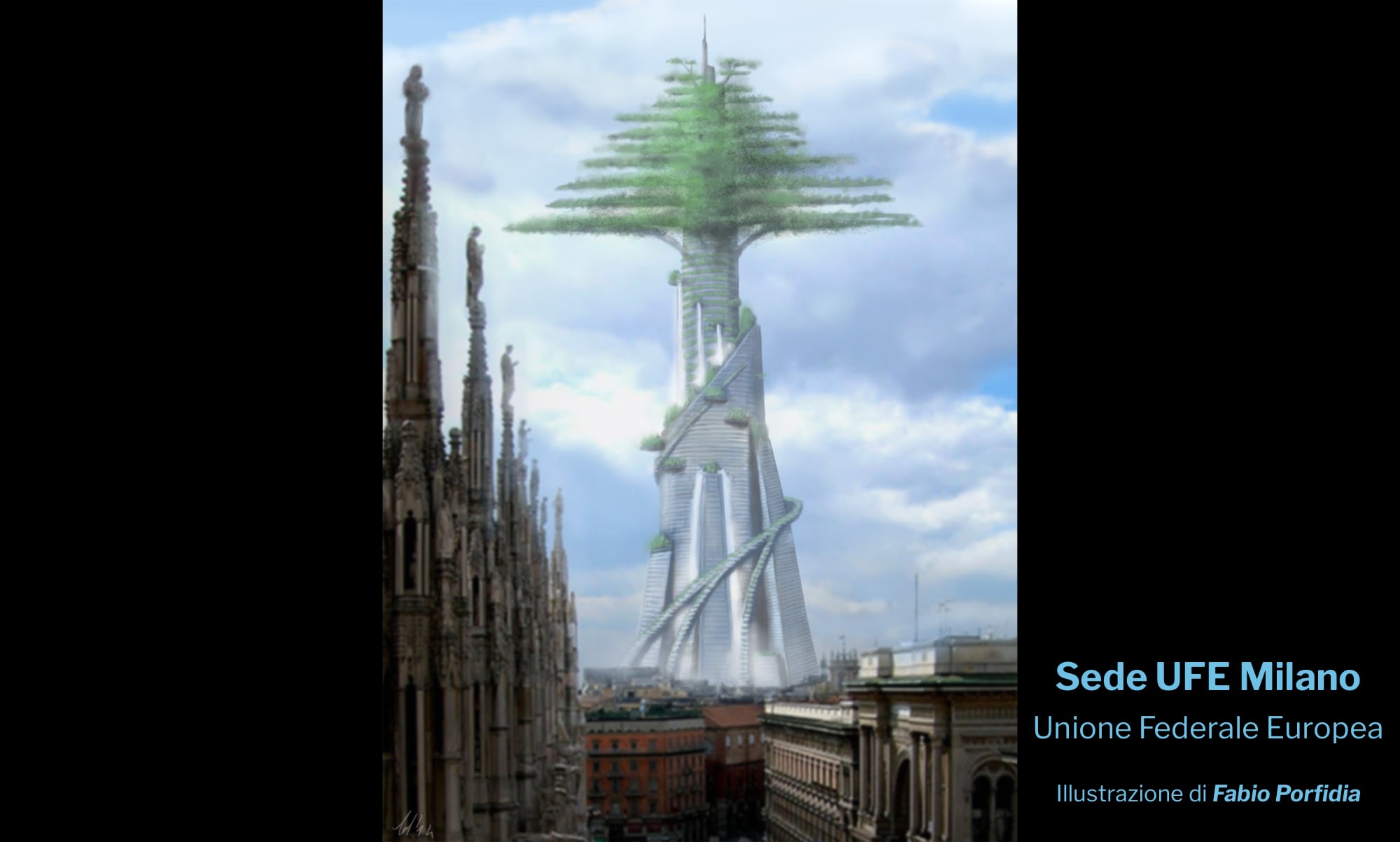
Carlo osservò il cielo e le nuvole che, spinte da un vento insolitamente vispo per quella stagione, si arrotolavano e s’incirrivano intorno alle parti più alte del grattacielo. (…)
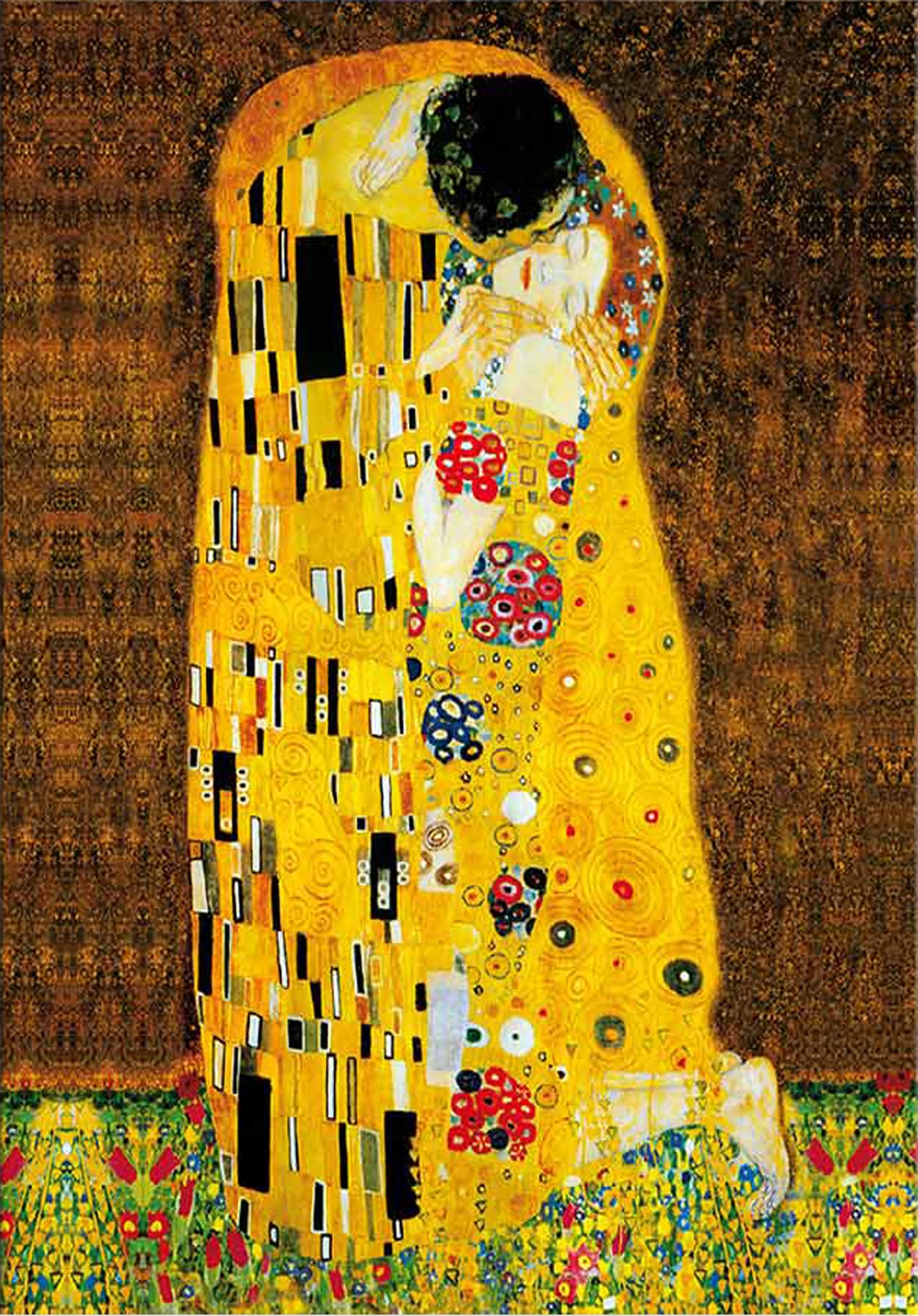
(…) Il contatto con quel corpo delicato, morbido e sinuoso ebbe un effetto calmante su Matteo, che ricambiò l’abbraccio con una tenerezza che non gli era affatto abituale. (…)
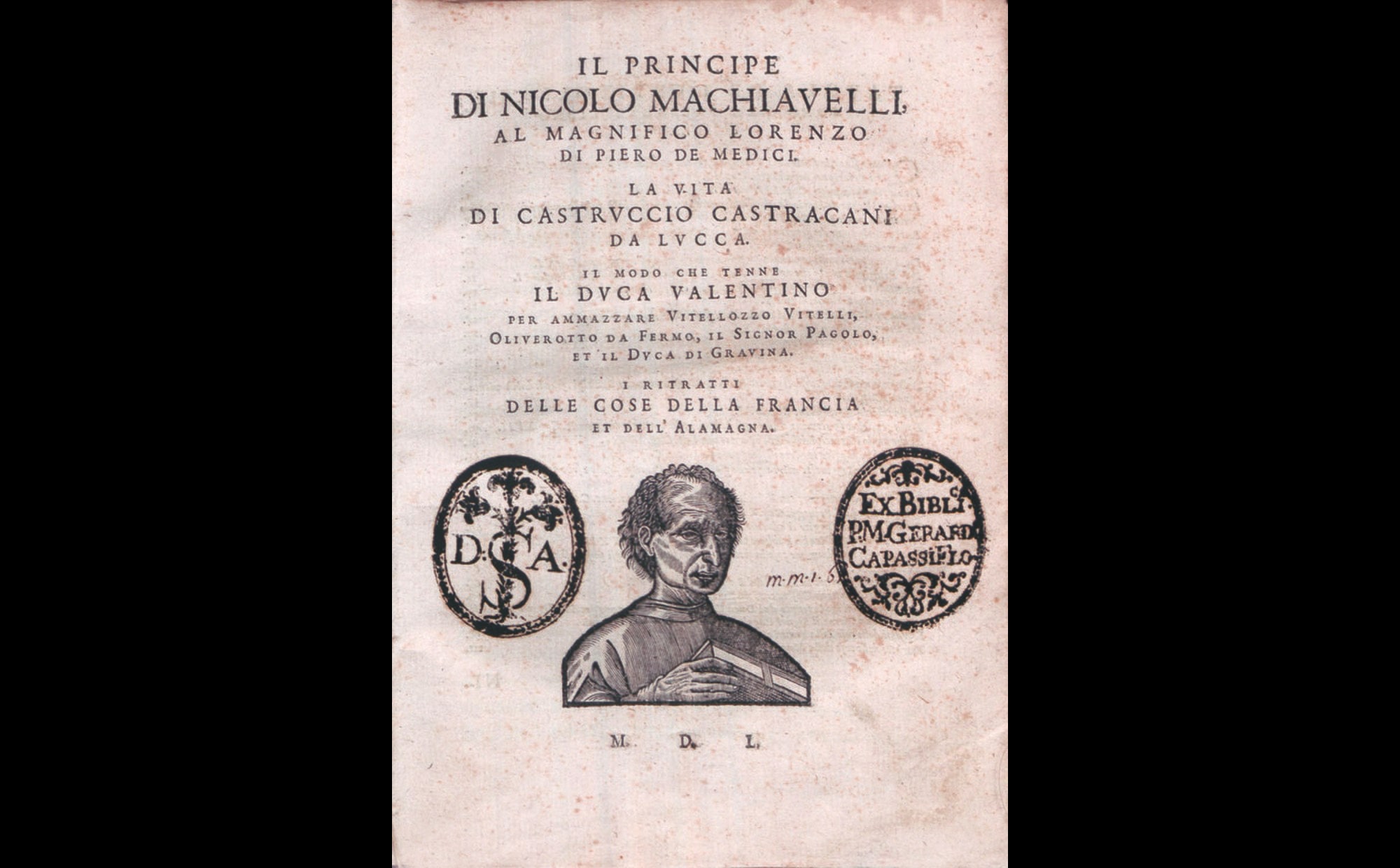
Ma colui che arriva al principato col favore popolare, si trova a governare da solo, e intorno a sé non ha nessuno, o pochissimi, che non siano pronti a ubbidire. Oltretutto, non si può onorevolmente e senza danneggiare altri accontentare i potenti, ma si può soddisfare il popolo: (…)
Carlo faticava a prendere sonno.
Giaceva sul letto, supino, osservando la Via Lattea che ruotava lentamente sul soffitto e ascoltando in sottofondo l’adagio da ‘L’Autunno’ di Vivaldi. Ma neppure una combinazione così intensamente distensiva riusciva a rasserenarlo. (…)
Nonostante il blando calmante che Carlo, dopo non poche insistenze, era riuscito a farle assumere, la tensione in lei era ancora troppo alta per permetterle anche solo di pensare di andare a letto.
– Ci siamo quasi. – Oltre a gestire la sua trappola, Jin era uno degli incaricati che avrebbero seguito la procedura, pronti a intervenire in caso di problemi. Due operazioni una più complessa dell’altra, il tutto in un ambiente pieno di colleghi esperti, giornalisti scientifici selezionati, sistemi di controllo e Dronicam.
L’Ente giaceva placido e sonnolento, non avendo alcun nemico naturale né alcun organismo in grado di concorrere nella Sua nicchia ecologica. Poteva quindi permettersi di oziare, lasciando che le Sue innumerevoli propaggini, i Suoi pseudopodi, le Sue connessioni verso l’esterno e all’interno di Se stesso provvedessero autonomamente ai bisogni primari (…)
Si alzò e si avvicinò alla lavagna interattiva, cancellandone la superficie con un gesto della mano, quindi si voltò verso gli altri. – L’idea di partenza è estremamente semplice. Si basa sul principio della conoscenza reciproca.
Tutto accadeva in femtosecondi, lampi di pseudo.concetti espressi in proto.linguaggi si intrecciavano in strutture di sublime complessità.


